


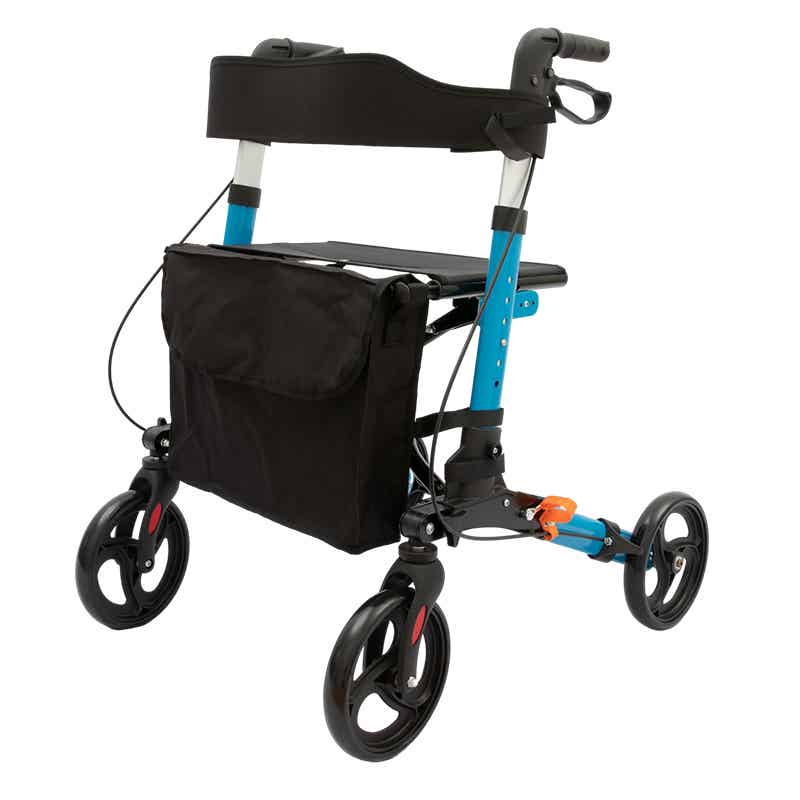
How to Select a Rollator for Parkinson’s: Provides Stable Support in Clinical Practice
For healthcare product managers and procurement specialists, selecting the right mobility aid for Parkinson’s disease patients can directly influence safety, rehabilitation outcomes, and user satisfaction. Patients with Parkinson’s often face unique challenges such as gait instability, freezing episodes, and limited hand dexterity. The Rollator for Parkinson’s: Provides Stable Support is specifically engineered to address these issues and offer both stability and confidence for users. This article presents a clinical guide to evaluating and selecting the optimal rollator solution for Parkinson’s care settings.
1. Understanding the Mobility Needs of Parkinson’s Patients
Parkinson’s disease is characterized by tremors, bradykinesia (slowness of movement), muscle rigidity, and postural instability. These symptoms can lead to a high risk of falls and a decline in independence.
Gait freezing: Sudden, brief inability to move the feet forward can occur, especially during turning or passing through doorways.
Balance issues: Weak postural reflexes mean even small trips can result in dangerous falls.
Hand function: Reduced dexterity and grip strength require equipment that is simple to operate.
The Rollator for Parkinson’s: Provides Stable Support directly addresses these specific clinical challenges.
2. Key Features of a Rollator for Parkinson’s: Provides Stable Support
Not all rollators are suitable for Parkinson’s patients. The following design elements are essential:
Stable frame: Extra-wide base and low center of gravity prevent tipping and provide reassurance for hesitant users.
Reverse braking system: Brakes that engage unless the handles are squeezed (“safety brake” or “reverse brake”) prevent unintended rolling and help with gait freezing episodes.
Laser cueing: Some advanced models project a laser line on the ground to help initiate movement and overcome gait freezing.
Large, smooth-rolling wheels: Essential for navigating varied surfaces indoors and outdoors with less risk of sudden stops.
3. Clinical Benefits: Safety, Confidence, and Rehabilitation
The Rollator for Parkinson’s: Provides Stable Support delivers significant clinical advantages:
Reduces falls: Stability features and brake design minimize sudden loss of balance or rolling, supporting safer ambulation.
Encourages independence: Confidence in the device promotes greater willingness to walk, which is vital for maintaining strength and flexibility.
Supports therapy: Physical therapists can use laser cues and adjustable support to tailor gait training for Parkinson’s-specific needs.
4. Evaluation and Selection Checklist
For procurement and clinical teams, use this checklist when comparing devices:
Adjustable handle height: Accommodates user posture for safe, ergonomic use.
Easy-to-use brakes: Ensure patients with limited hand strength can activate and release the brakes safely.
Accessory compatibility: Look for options such as baskets, trays, or oxygen tank holders.
Foldability and weight: Should be easy for staff or caregivers to transport and store.
5. Regulatory and Safety Compliance
Always require certification (ISO, CE, FDA if applicable) for any Rollator for Parkinson’s: Provides Stable Support. Compliance ensures:
Device reliability: Consistent performance under rigorous clinical use.
Patient safety: Meets standards for stability, weight support, and durability.
6. Implementation and Training
Smooth introduction into clinical practice relies on staff and patient education:
Staff in-service: Demonstrate all safety features, especially unique braking or cueing mechanisms.
Patient instruction: Simple, visual guides can encourage proper and independent use.
7. Continuous Feedback and Quality Improvement
Solicit ongoing feedback from staff, therapists, and patients to:
Identify maintenance needs early.
Spot trends in usage or difficulties, such as specific gait challenges.
Inform future procurement or potential upgrades.
Related Product Terms, Services, and Target Groups for SEO (40 groups):
Rollator, Rollator for Parkinson’s, Stable Support, Parkinson’s Mobility Aid, Safety Rollator, Gait Trainer, Clinical Rollator, Reverse Brake Rollator, Laser Cueing Rollator, Medical Rollator, Ergonomic Handles, Adjustable Height Rollator, Rehabilitation Equipment, Senior Mobility, Therapy Support, Durable Frame, Large Wheels, Hospital Equipment, Long-Term Care, Product Manager, Supply Chain, Procurement, Healthcare Facility, User-Friendly Rollator, Foldable Rollator, Oxygen Holder, Clinical Walker, Stable Walker, Custom Accessories, Compliance Rollator, CE Certified Rollator, ISO Standard Rollator, FDA Rollator, Adjustable Handles, Pressure Relief, Lightweight Rollator, Patient Safety Rollator, Multi-Patient Use, Parts Replacement, After-Sales Service, Warranty Service
SEO Keywords:
Rollator for Parkinson’s, Provides Stable Support, Parkinson’s Rollator, Clinical Rollator, Safety Rollator, Reverse Brake Rollator, Medical Rollator, Adjustable Height Rollator, Ergonomic Mobility, Therapy Gait Trainer, Foldable Rollator, Durable Rollator, Hospital Equipment, Senior Mobility Aid, Large Wheel Rollator, Supply Chain Rollator, Procurement Rollator, Rehabilitation Device, Stable Walker, Product Manager Mobility, Clinical Equipment, Patient Safety Rollator, User-Friendly Rollator, Compliance Certified Rollator, Warranty Rollator, After-Sales Rollator, Lightweight Medical Walker, Adjustable Handle Rollator, Gait Cueing Rollator, Pressure Relief Walker, Senior Support Rollator, Multi-Patient Rollator, Rehabilitation Equipment, Durable Frame Rollator, Maintenance Free Rollator, Parts Replacement Rollator, Compact Storage Rollator, Parkinson’s Mobility Walker, Hospital Mobility Solution, Custom Rollator Accessories
READ MORE:
- Technical Benefits of a Rollator for Parkinson’s: Provides Stable Support for Healthcare Facilities
- Why Height-Adjustable Rollator: With Memory Lock System Increases Value in Supply Chain Management
- Enhancing User Safety and Comfort with Height-Adjustable Rollator: With Memory Lock System
- Procurement Guidelines for Height-Adjustable Rollator: With Memory Lock System in Clinical Environments
- Key Technical Benefits of Height-Adjustable Rollator: With Memory Lock System for Product Managers
- Selecting a Height-Adjustable Rollator: With Memory Lock System for Modern Healthcare Settings
- Minimizing User Fatigue: Why “Walker with Shock-Dampening Wheels: For a Smooth Walking Experience” Is Essential
- Enhancing Patient Mobility: Ergonomic Advantages of Walkers with Shock-Dampening Wheels
- Procurement Strategies: Sourcing Walkers with Shock-Dampening Wheels for Healthcare Facilities


