Hip replacement surgery is a life-changing procedure for many older adults suffering from osteoarthritis, fractures, or joint degeneration. Post-surgery recovery can be challenging, as patients face mobility restrictions, pain management, and the need for functional rehabilitation. One essential tool in ensuring a successful recovery is the rollator—a mobility aid that provides support, stability, and independence throughout the rehabilitation process.
At a leading rehabilitation center in Sweden, patients recovering from hip replacement surgeries are regularly prescribed rollators as part of their recovery regimen. The center’s clinical team has consistently reported positive outcomes in terms of mobility, confidence, and overall rehabilitation progress when these devices are integrated into patient care.
1. The Role of Rollators in Post-Hip Replacement Recovery
For patients who have undergone hip replacement surgery, mobility aids like rollators play a vital role in supporting physical therapy and facilitating early post-surgery movement. Unlike traditional walking aids, rollators are equipped with features that enable users to walk longer distances without compromising safety.
Key Benefits for Recovery:
· Increased Stability: Rollators offer four-point support, reducing the risk of falls and providing extra security when walking on uneven or slippery surfaces.
· Enhanced Posture and Gait: Rollators encourage proper walking mechanics, which are essential for preventing post-surgical complications and improving recovery outcomes.
· Improved Mobility: With padded seats and the option to rest when needed, rollators allow patients to take breaks during rehabilitation exercises, increasing walking endurance and encouraging outdoor activity.
· Mental Well-Being: The ability to move with more confidence contributes to a sense of independence, which is crucial for emotional recovery, especially in elderly patients.
2. Customer Feedback: Rollators in the Rehabilitation Process
A feedback survey conducted by the Swedish Rehabilitation Center over the past year revealed that 80% of patients recovering from hip replacement reported improved walking confidence and mobility when using rollators as part of their therapy. Patients appreciated the ergonomic design, lightweight frame, and all-terrain wheels that allowed them to navigate both indoor and outdoor environments comfortably.
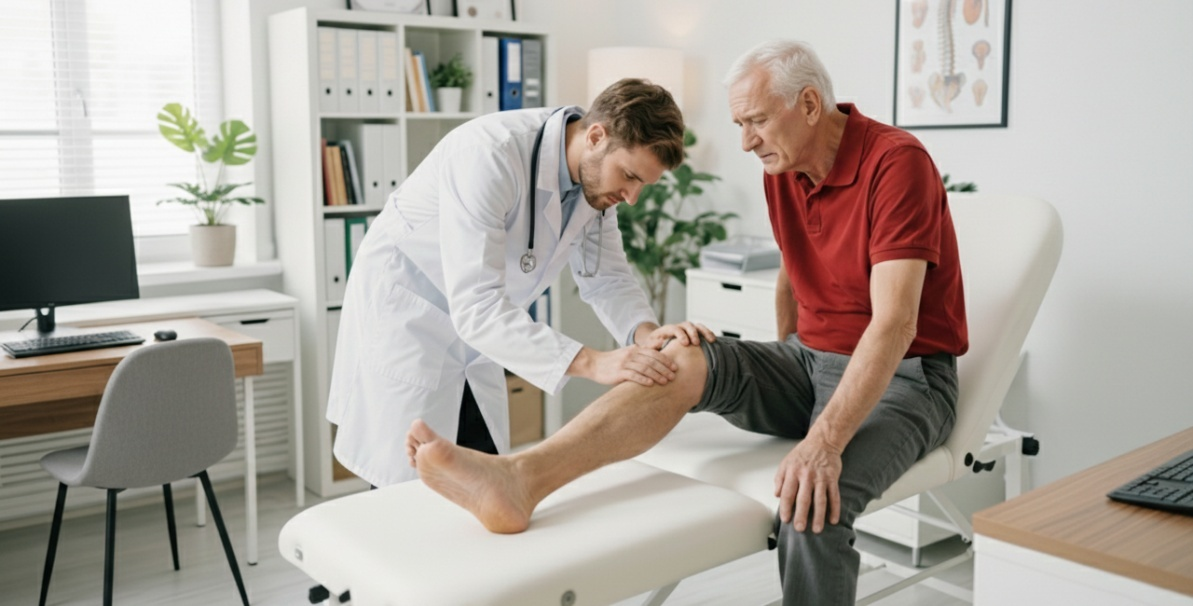
One patient, a 76-year-old man recovering from a hip replacement, shared:
"After my surgery, I struggled with balance and had to rely on my family for support. The rollator allowed me to regain my independence early in the recovery phase. I felt much safer walking around my home and even started walking in the park again."
3. Aligning with Global Trends in Elderly Care
Rollators are not only effective in individual recovery scenarios—they are becoming a central feature of global aging and rehabilitation trends. Across Europe and North America, there is a growing focus on aging in place, preventive health, and independent living, all of which rollators directly support.
Key Global Trends:
· Aging in Place: More elderly adults are choosing to recover at home rather than in institutions, making mobility aids like rollators essential for daily function.
· Active Aging: Rollators encourage seniors to engage in regular physical activity, which is crucial for overall health and quality of life.
· Technological Integration: Advanced rollators are being integrated with smart features, such as GPS tracking and health monitoring sensors, to further support rehabilitation and independence.
4. Relaxsmith Mobility: Empowering Recovery with Innovative Rollators
At Relaxsmith Mobility, our rollators are designed with both recovery and independence in mind. We provide ergonomic, lightweight frames with all-terrain wheels, and each model is equipped with safety features that are crucial for post-surgery rehabilitation. Our products are not just mobility aids; they are part of a comprehensive solution to help older adults regain independence and improve their overall quality of life.
Why Our Rollators Work for Hip Replacement Recovery:
· Lightweight Design: Easy for patients to use with minimal strain, promoting prolonged walking sessions.
· Durability: Built to withstand the demands of recovery therapy, both indoors and outdoors.
· Ergonomics: Designed to encourage proper posture and gait, supporting faster recovery.
Conclusion
Rollators are essential tools in the post-hip replacement recovery process, providing mobility, stability, and emotional support. As rehabilitation practices evolve in Europe and beyond, integrating high-quality rollators into recovery regimens is a proven method for achieving better outcomes. With Relaxsmith Mobility’s commitment to enhancing recovery and independence, we continue to support the growing demand for effective, patient-centered rehabilitation solutions.









